
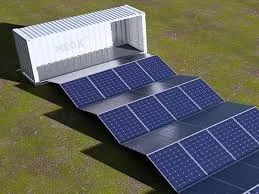
In an age where clean, reliable, and mobile energy solutions are reshaping the world’s power infrastructure, one innovation stands out: the mobile solar container. These self-contained power systems have become game-changers for industries and communities that need fast, flexible, and eco-friendly electricity. From remote construction sites to off-grid villages, mobile solar containers are redefining what it means to access energy anywhere, anytime.
What Is a Mobile Solar Container?
A mobile solar container is a prefabricated, transportable power unit that houses a complete solar energy system within a standard shipping container. Inside, you’ll find foldable or slide-out solar panels, battery storage, inverters, charge controllers, and monitoring systems. Everything is assembled and tested before deployment, making setup simple, fast, and safe.
Once on site, the container’s solar modules can be unfolded or extended, capturing sunlight efficiently. The integrated energy storage ensures consistent power even at night or during cloudy weather. This compact design delivers instant renewable energy without the need for permanent infrastructure or complex installation.
Why Mobile Solar Containers Are Transforming Power Access
1. Portability and Rapid Deployment
Traditional solar installations often take weeks or months to set up. Mobile solar containers, however, are built for speed. Once delivered, they can be operational within hours. This portability makes them ideal for disaster relief, humanitarian missions, or temporary field operations.
2. Off-Grid Capability
For remote regions or developing areas without grid access, mobile containers offer a dependable source of electricity. They can operate as standalone systems or integrate with existing diesel or hybrid power sources, dramatically cutting fuel use and maintenance costs.
3. Scalable and Modular
Mobile solar containers are designed for scalability. Whether you need 20 kW for a small site or several megawatts for industrial applications, multiple containers can be linked to form a microgrid. This modular nature allows projects to expand as energy demand grows.
4. Clean and Sustainable Power
Switching to solar reduces reliance on fossil fuels, minimizes carbon emissions, and contributes to a cleaner environment. For businesses aiming to meet ESG targets or reduce operational footprints, containerized solar systems offer measurable sustainability benefits.
Applications Across Industries
The versatility of mobile solar containers extends across multiple sectors:
- Construction and Mining: Powering tools, lighting, and equipment in areas where diesel generators once dominated.
- Humanitarian Aid and Disaster Relief: Providing reliable power for medical units, communication systems, and shelter facilities after natural disasters.
- Telecommunication Sites: Maintaining consistent energy for mobile towers in remote or mountainous regions.
- Military and Field Operations: Ensuring secure, quiet, and low-maintenance power for mobile bases.
- Agriculture and Rural Electrification: Delivering irrigation and storage solutions to farming communities off the main grid.
- Events and Festivals: Supplying clean, noise-free power without the hassle of installing temporary wiring.
Advantages Over Traditional Energy Systems
Mobile solar containers outperform diesel generators and fixed solar systems in several key areas:
- Lower Operational Costs: Once installed, solar energy is virtually free, with minimal maintenance requirements.
- Noise-Free Operation: Perfect for sensitive or residential environments.
- Reduced Carbon Footprint: A single unit can offset tons of CO₂ annually compared to fossil fuels.
- Instant Mobility: Units can be redeployed to new locations quickly and efficiently.
- Minimal Land Use: Containers are compact and require limited ground preparation.
This combination of convenience and sustainability makes them an increasingly attractive choice for modern energy strategies.
read more : Creative Strategies for Building Financial Confidence After Inflationary Shocks
How It Works
A solar container integrates cutting-edge solar photovoltaic (PV) modules with advanced battery storage technology and smart energy management systems. Here’s how the process flows:
- Solar Capture: High-efficiency PV panels convert sunlight into direct current (DC) electricity.
- Power Conversion: Inverters transform DC into alternating current (AC) for standard use.
- Energy Storage: Excess energy is stored in lithium or hybrid battery systems for later use.
- Smart Control: Automated controllers balance generation, storage, and consumption to optimize performance.
- Monitoring and Safety: Remote management platforms allow users to monitor power output, battery levels, and overall system health in real time.
This complete ecosystem ensures that energy production remains steady and efficient, regardless of external conditions.
The Growing Demand for Mobile Solar Containers
With global energy demand projected to rise alongside climate challenges, containerized solar systems are emerging as a vital part of the transition to renewables. The International Energy Agency (IEA) predicts that decentralized solar power solutions, including mobile systems, will see rapid adoption across Africa, Asia, and the Pacific by 2030.
Governments, NGOs, and private enterprises are investing heavily in renewable infrastructure that can be deployed quickly. Mobile solar containers perfectly meet these goals by combining innovation, mobility, and sustainability. They are especially critical in areas affected by unstable grids, natural disasters, or high diesel costs.
Selecting the Right Container for Your Needs
When evaluating options, consider these factors:
- Power Output and Energy Storage Capacity: Match the system size to your daily load requirements.
- Mobility Requirements: Determine how often you’ll need to move the container.
- Environmental Conditions: Choose designs that withstand local climate conditions (e.g., desert, coastal, tropical).
- Integration Compatibility: Check if it can connect to existing generators, grid systems, or battery storage.
- Budget and ROI: Factor in initial investment versus long-term savings on fuel and maintenance.
Some advanced models also include adjustable solar arrays, hybrid inputs, and fast-charging capabilities to further enhance performance.
Challenges and Considerations
While the benefits are clear, users should consider:
- Initial Capital Cost: Quality units with battery storage can be expensive upfront.
- Space Requirements: Fold-out panels need adequate clearance for deployment.
- Maintenance Access: Although minimal, periodic cleaning and inspection are still essential for longevity.
However, these challenges are minor compared to the long-term energy independence and sustainability that mobile solar systems provide.
Conclusion
The rise of mobile solar containers marks a new era in clean, decentralized power generation. They combine the efficiency of solar technology with the flexibility of portable infrastructure, offering energy freedom to locations once beyond the reach of the grid.
Whether you’re managing a construction project, leading a humanitarian effort, or simply seeking resilient off-grid power, a mobile solar container could be the key to your next sustainable solution. By integrating renewable energy into a portable format, these innovative units are helping the world transition toward a cleaner, smarter, and more adaptable energy future.