Music builds on patterns, and music notes names form the base of every melody you hear. When you learn these names, you unlock the language of songs and instruments. Every beginner should first understand how these note names work together. Once you grasp this idea, you can read music and play with confidence.
Musicians use seven natural letters to name notes. These letters repeat in order and create structure in every song. Because of this pattern, learning becomes easier than many people expect.
Why Music Notes Names Matter for Beginners
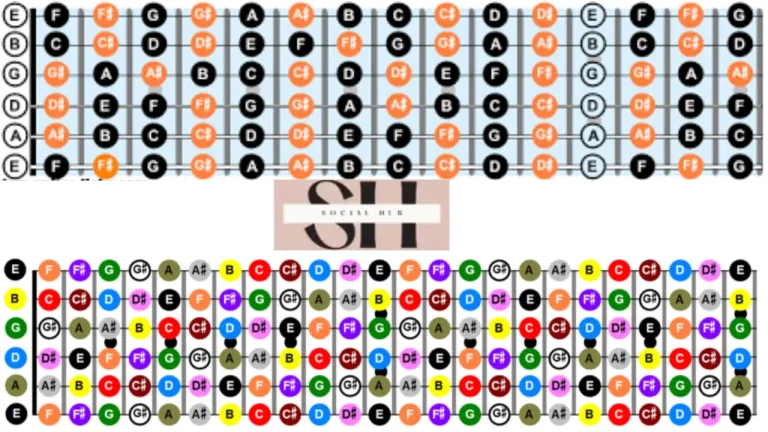
Every instrument depends on note names. Guitar players use them to find frets, and singers use them to match pitch. Without understanding note names, musicians struggle to follow written music.
Learning music notes names also improves memory and listening skills. As students practice daily, they begin to hear patterns in songs. Over time, reading music becomes as natural as reading words.
Musical Alphabet and Its Pattern
The musical alphabet uses only seven letters: A, B, C, D, E, F, and G. After G, the sequence starts again from A. This repeating cycle helps musicians organize sound clearly.
The table below shows the basic musical alphabet pattern.
| Order | Note Name |
|---|---|
| 1 | A |
| 2 | B |
| 3 | C |
| 4 | D |
| 5 | E |
| 6 | F |
| 7 | G |
Appearance on the Piano
The piano offers one of the clearest ways to see note names. White keys follow the repeating pattern of A through G. Black keys sit between most white keys and change the sound slightly.
On the keyboard, you can quickly notice that no black keys sit between E and F or B and C. This design helps players identify patterns faster. Therefore, beginners often use the piano to understand music notes names clearly.
Role of Octaves in Music
An octave happens when the same note repeats at a higher or lower pitch. For example, one C can sound low, while another C sounds high. Even though they sound different, they share the same name.
Octaves keep the system organized and balanced. Because of this, musicians can expand songs across many pitch levels without confusion.
Reading Notes on the Treble Clef
The treble clef usually represents higher sounds, like vocals or right-hand piano parts. Notes sit on lines and spaces, and each position has a specific name.
Here is a simple reference table for treble clef notes.
| Position | Note Names |
|---|---|
| Lines | E G B D F |
| Spaces | F A C E |
Students often remember the line notes using short memory phrases. This approach makes reading faster and more natural.
Reading Notes on the Bass Clef
The bass clef represents lower sounds like bass guitar or left-hand piano parts. Just like the treble clef, it uses lines and spaces to show pitch.
Below is a clear table for bass clef notes.
| Position | Note Names |
|---|---|
| Lines | G B D F A |
| Spaces | A C E G |
Sharps and Flats in Music
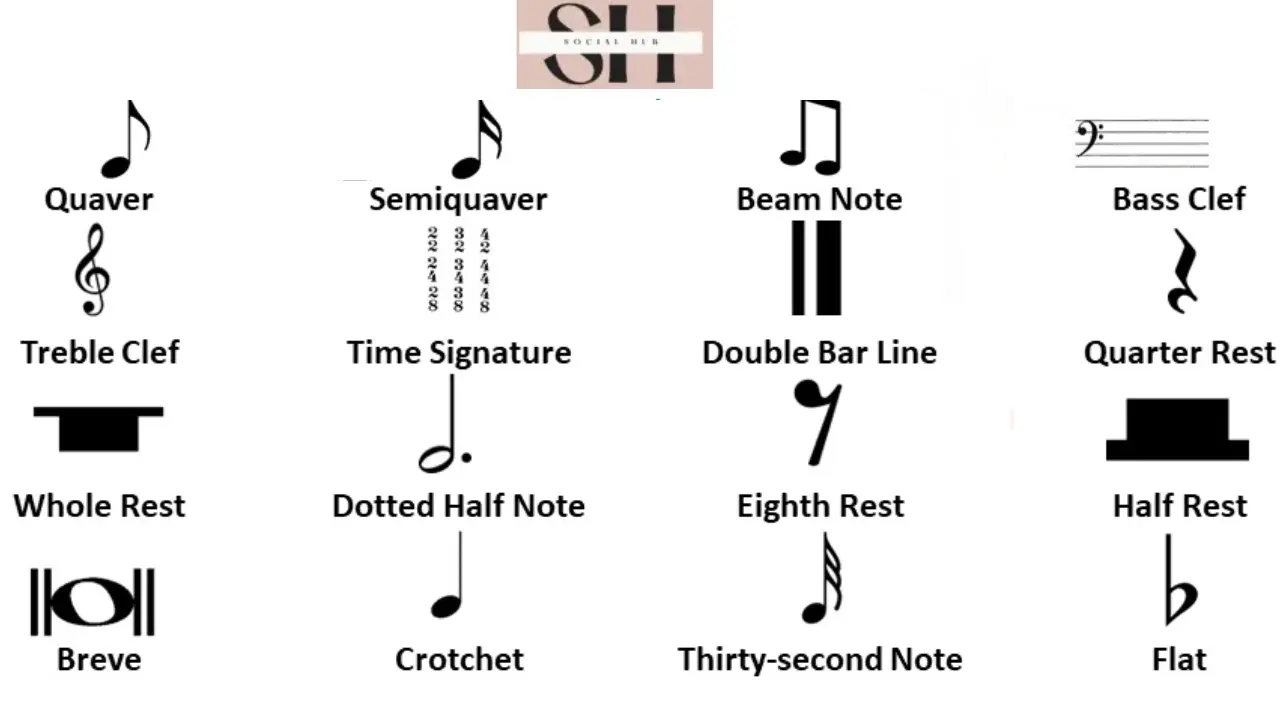
Sharps and flats change a note by a half step. A sharp raises a note, while a flat lowers it. These symbols expand the total number of sounds available.
For example, C sharp sounds slightly higher than C. Meanwhile, D flat sounds slightly lower than D. Even though they may share the same key on a piano, they carry different written names.
Common Mistakes When Learning Notes
Many beginners confuse note order at first. However, practice and repetition solve this problem quickly. Writing notes on paper also strengthens memory.
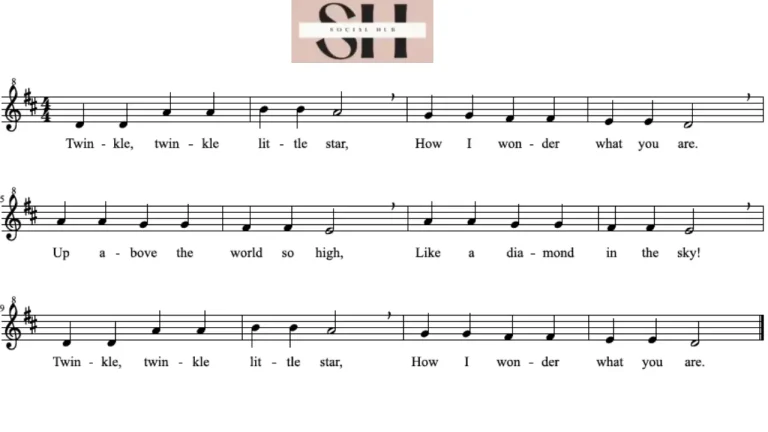
Some learners skip theory and try to memorize songs only. While this method may help in the short term, it limits long-term growth. Understanding music notes names creates a strong musical base.
Tips to Practice Music Notes Names Faster
You can improve quickly with simple daily exercises. First, practice saying the musical alphabet aloud. Then, point to keys on a piano or diagram and name them.
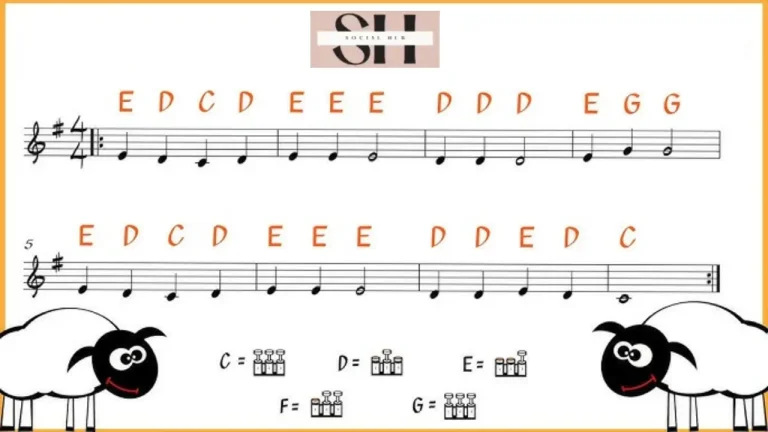
Next, read small sections of sheet music every day. Because steady practice builds confidence, progress happens naturally. When you repeat this habit, music notes names stay clear in your mind.
Frequently Asked Questions
What are music notes names?
These notes names are the seven letters A, B, C, D, E, F, and G that musicians use to identify sounds. These names repeat in order and form the base of all songs and scales.
Why are these notes names important?
They help musicians read sheet music and play instruments correctly. When you understand these notes names, you can follow melodies and chords with confidence.
How many of these notes names are there?
There are seven natural note names in the musical alphabet. However, sharps and flats add more variations between these notes.
How can beginners memorize these notes names quickly?
Beginners can practice daily by saying the notes aloud and reading simple sheet music. Regular repetition makes these notes names easier to remember over time.
Final Thoughts
Music becomes less confusing when you understand its structure. Music notes names provide that structure and guide every melody. With patience and steady practice, anyone can learn them.
As you continue learning, focus on patterns and repetition. Over time, your skills will grow stronger and more natural. When you master these notes names, you take the first big step into the world of music.