
Introduction
Lying has been a part of human interaction for centuries, and over time, people have sought various ways to detect deception. From ancient methods involving physical ordeals to modern scientific techniques, the pursuit of truth remains a fundamental concern in society. One of the most well-known methods for uncovering lies is the lie detector test, or polygraph. A lie detector measures physiological responses—such as heart rate, blood pressure, respiration, and skin conductivity—to determine whether someone is being deceptive. While polygraphs have been widely used in law enforcement, employment screenings, and even personal matters, their accuracy and reliability remain subjects of debate. Companies like Lie detectors specialize in conducting professional lie detector tests, offering their services to individuals and businesses seeking the truth. In this article, we will explore how lie detectors work, their effectiveness, ethical concerns, and their applications in different fields.
How Lie Detectors Work
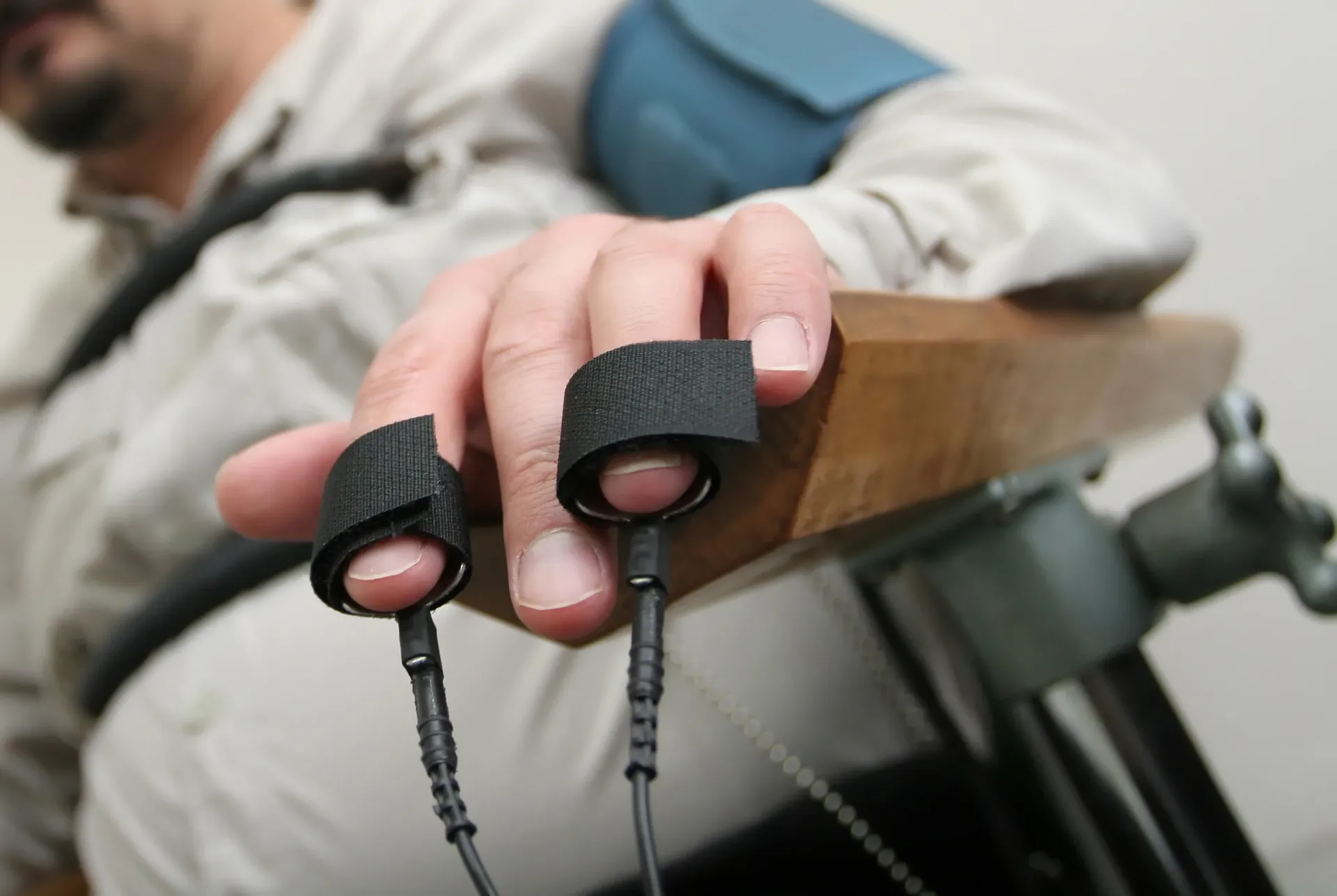
Lie detectors, or polygraph machines, operate on the principle that lying induces physiological changes in the body. When a person tells a lie, they often experience stress, which triggers involuntary physical responses controlled by the autonomic nervous system. The polygraph records these responses through multiple sensors attached to the individual being tested. The main components of a polygraph include:
- Blood Pressure Cuff: Measures fluctuations in blood pressure and heart rate, which can increase when a person is under stress.
- Pneumographs (Respiratory Sensors): Detect changes in breathing patterns, which can become irregular during deception.
- Galvanic Skin Response (GSR) Sensors: Measure electrical conductivity of the skin, which increases with sweating—a common physiological reaction to stress.
During a polygraph test, the examiner asks a series of questions, typically categorized as:
- Irrelevant Questions – General questions unrelated to the matter, such as “Is your name John?” These establish baseline physiological responses.
- Control Questions – Designed to provoke a stress response, such as “Have you ever lied to get out of trouble?“ These help create a benchmark for measuring deceptive reactions.
- Relevant Questions – Directly related to the investigation, such as “Did you steal the missing money?” If the physiological responses to these questions are significantly different from baseline and control responses, it may indicate deception.
The examiner then analyzes the data to determine whether the subject’s physiological responses suggest honesty or deception.
The Accuracy and Reliability of Lie Detector Tests
The accuracy of polygraph tests has been a contentious issue among researchers, law enforcement agencies, and legal professionals. Proponents argue that polygraphs are highly effective in detecting deception, with some studies claiming accuracy rates of 80-90%. However, critics point out that the results can be influenced by various factors, leading to both false positives (innocent people being labeled as deceptive) and false negatives (deceptive individuals passing the test).
Several factors can impact the reliability of a lie detector test:
- Examinee’s Emotional State – Nervousness, anxiety, or even excitement can produce physiological changes similar to those caused by lying, potentially leading to inaccurate results.
- Countermeasures – Some individuals attempt to manipulate polygraph results by controlling their breathing, tensing muscles, or using mental distractions to suppress stress responses. Skilled individuals may be able to deceive the test.
- Examiner’s Skill and Bias – The interpretation of polygraph results depends on the examiner’s expertise. A poorly trained examiner may misread the data, leading to incorrect conclusions.
- Type of Questions Asked – Poorly structured or ambiguous questions can lead to misleading results, as the examinee’s physiological responses may not directly correlate with deception.
Due to these concerns, polygraph results are generally not admissible as evidence in many courts, though they may still be used in investigations, pre-employment screenings, and security assessments.
Ethical and Legal Considerations
The use of lie detectors raises important ethical and legal questions. While polygraph tests can be valuable in uncovering deception, their limitations mean that they should be used with caution. Several ethical issues arise when administering lie detector tests:
- Privacy Concerns: Polygraph tests often require individuals to answer deeply personal questions. The potential for invasion of privacy is a major concern, particularly in employment settings.
- False Accusations: Since polygraph results are not 100% accurate, there is a risk of wrongly accusing innocent individuals, which can have severe personal and professional consequences.
- Coercion and Psychological Pressure: In some cases, individuals may feel pressured to take a polygraph test, even if they are uncomfortable with the process. The stress of being subjected to a test can itself impact results.
From a legal standpoint, different countries and regions have varying regulations regarding the use of polygraph tests. For example, in the United States, the Employee Polygraph Protection Act (EPPA) prohibits most private employers from requiring lie detector tests as a condition of employment. However, law enforcement agencies and government organizations may still use them in certain circumstances. In Ireland, where Liedetectors.ie operates, polygraph tests are commonly used in private investigations, relationship disputes, and corporate fraud cases.
Applications of Lie Detectors in Different Fields
Despite the controversies surrounding polygraph tests, they continue to be widely used in various fields. Some of the most common applications include:
1. Criminal Investigations
Law enforcement agencies often use polygraph tests as part of their investigative process. While the results are not always admissible in court, they can help narrow down suspects, corroborate witness statements, and guide further investigation. In high-profile criminal cases, lie detectors have played a role in solving mysteries and verifying alibis.
2. Pre-Employment and Security Screenings
Government agencies, military organizations, and private security firms sometimes require polygraph tests for employees in sensitive positions. Intelligence agencies, such as the CIA and FBI, use polygraph tests to screen applicants for national security roles. In corporate settings, lie detectors may be used to investigate internal theft, fraud, or misconduct.
3. Relationship and Infidelity Testing
Lie detectors are increasingly being used in personal relationships to address suspicions of infidelity or dishonesty. Couples may turn to services like Liedetectors.ie to resolve trust issues and determine whether a partner has been unfaithful. While not a foolproof solution, polygraph tests can provide clarity in emotionally charged situations.
4. Legal and Civil Disputes
In some legal cases, lie detector tests are used to support claims of innocence or honesty. Although not always legally binding, polygraph results can be submitted as evidence in certain civil cases, arbitration hearings, or private disputes.
5. Reality TV and Entertainment
Polygraph tests have found a place in entertainment and media, particularly in reality TV shows and talk shows. Programs like “The Jeremy Kyle Show” and “Maury” have used lie detectors to expose cheating, deception, and other personal conflicts. While these tests are often dramatized for entertainment value, they demonstrate the widespread public fascination with lie detection.
The Future of Lie Detection Technology
As technology continues to advance, researchers are exploring new and more reliable methods for detecting deception. Emerging technologies include:
- Functional MRI (fMRI): Brain imaging techniques that detect neural activity associated with lying.
- Voice Stress Analysis (VSA): Analyzes vocal patterns to identify stress-related changes during deception.
- Artificial Intelligence and Machine Learning: AI-powered lie detection algorithms that analyze microexpressions, speech patterns, and physiological responses for enhanced accuracy.
These advancements may lead to more reliable and ethical alternatives to traditional polygraph tests, offering improved ways to uncover deception without the limitations of current methods.
Conclusion
Lie detectors have long been a tool for uncovering deception, used in criminal investigations, employment screenings, and personal matters. While polygraph tests can provide valuable insights, their accuracy and reliability remain subjects of debate. Ethical concerns, legal restrictions, and the potential for false results highlight the need for cautious use. As technology evolves, future innovations in lie detection may offer more precise and reliable alternatives. For those seeking professional polygraph services, companies like Liedetectors.ie provide expertise in conducting tests with confidentiality and accuracy. Ultimately, while lie detectors are a useful investigative tool, they should be combined with other evidence and critical judgment to ensure fair and just outcomes.
Available Addresses for Inclusion:
Dublin:
Ballycoolin – 1 Ballycoolin Rd, Ballycoolin, D15 AKK1
Sandyford – The Chase, Sandyford, D18 Y3X2
Pembroke House – Pembroke House, D02 NT28
Drogheda:
56 West St, Moneymore, Co. Louth, A92 E4CY
Monaghan:
Marian Industrial Estate, H23 X273
Northern Ireland:
Belfast – Cromac St, BT2 8LA
Newry – Ground and 1st Floor, 30 Kilmorey St, BT34 2DE
Coleraine – Regus, River House, Londonderry, BT51 3DR