Have you ever just looked in the mirror one day and thought, “When did I start looking… tired?” Maybe it’s the fine lines. Or how your energy’s just not what it used to be. Aging kind of sneaks up like that. Quiet but certain. The thing is, aging isn’t all about how we look. It’s about how we feel. And how we show up in our everyday lives.
A lot of people focus on creams or strict diets when they want to feel younger. Nothing wrong with that. But sometimes, the most powerful changes start inside. And one of the most underrated things? Hydration. That, and the way your body absorbs nutrients.
And this is where IV drip sessions come into play to help our body feel right and balanced. Hydration and nutrient absorption affect how we age more than we realize.
Why Your Body’s Relationship with Water Changes
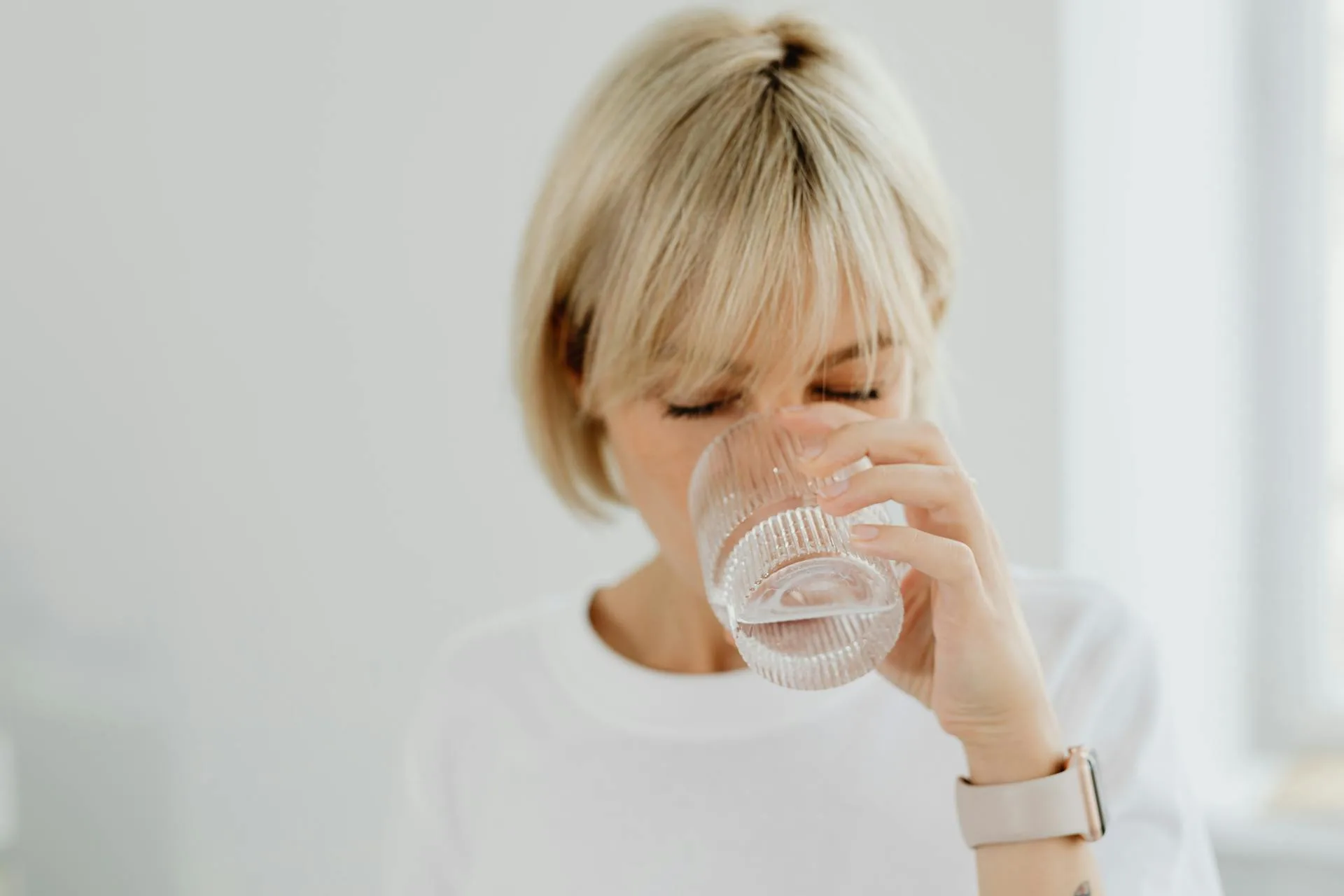
You drink water when you’re thirsty, right? Seems simple. But as we age, the body doesn’t signal thirst as strongly. You might not feel thirsty, but you’re already running low.
Dehydration creeps in quietly. One day you’ve got dry skin, the next you’re exhausted even after sleeping eight hours. Your joints ache. Your head feels heavy. That foggy feeling you get midday? Often, it’s just a lack of water.
Our cells depend on water to do basically everything. Think of water as a delivery truck for your body—it transports nutrients, removes waste, and keeps everything moving. Without enough of it, your whole system slows down.
Nutrients Matter—But Only If You Absorb Them
Let’s say you eat a great diet. You’ve got your kale, your salmon, your vitamins. Awesome.
But here’s the kicker: as we age, our gut changes. Your stomach acid might decrease. Your digestive enzymes shift. Which means your body doesn’t absorb nutrients the same way anymore.
So even if you’re eating well, you might still be deficient. Especially with stuff like B12, magnesium, or iron. And low levels of those? That can mean fatigue, irritability, weaker immunity… all the things we chalk up to “just getting older.”
It’s not just about what you eat. It’s about what your body can use.
New Paths to Feeling Better From the Inside Out
This is where people start exploring new ways to support their body. Some folks double down on smoothies and supplements. Others look into alternative wellness options, like IV drip therapy.
The idea? Instead of relying on your digestive system (which, let’s be real, may not be at 100%), you go straight to the bloodstream. Vitamins, minerals, fluids—delivered right where your body can actually use them.
It’s not some miracle fix. But for people who feel like they’re doing everything “right” and still running on empty, it can make a real difference. Especially when combined with other healthy habits.
It’s about helping your body catch up. Giving it a head start. A little boost when things feel off.
Things You Can Start Doing Today
You don’t need a clinic visit to age gracefully. There’s stuff you can do right now.
First, drink water. Yeah, it sounds too simple. But most of us aren’t drinking enough. Try carrying a water bottle around. Add lemon or cucumber if plain water bores you.
Eat water-rich foods—like watermelon, cucumbers, and oranges. They help with hydration, too.
Focus on real, whole foods. Leafy greens. Nuts. Good fats. Protein. Your body knows what to do with that stuff.
If you take supplements, great. Just pay attention to how you feel. You might need a blood test now and then to see what’s actually working. Sometimes your body needs a little more help, and that’s okay.
In Conclusion
Here’s the truth: you’re gonna age. We all are. There’s no hack to stop the clock. But there are ways to make the ride smoother. To feel like yourself, even as the years tick by. Hydration and proper nutrients are part of that. And now, there are more tools out there than ever. Research into anti-aging therapies is growing fast. Some of it’s still new. Some of it’s rooted in ancient practices, just rediscovered. But all of it points to one idea—that aging doesn’t have to mean slowing down or fading out.


