
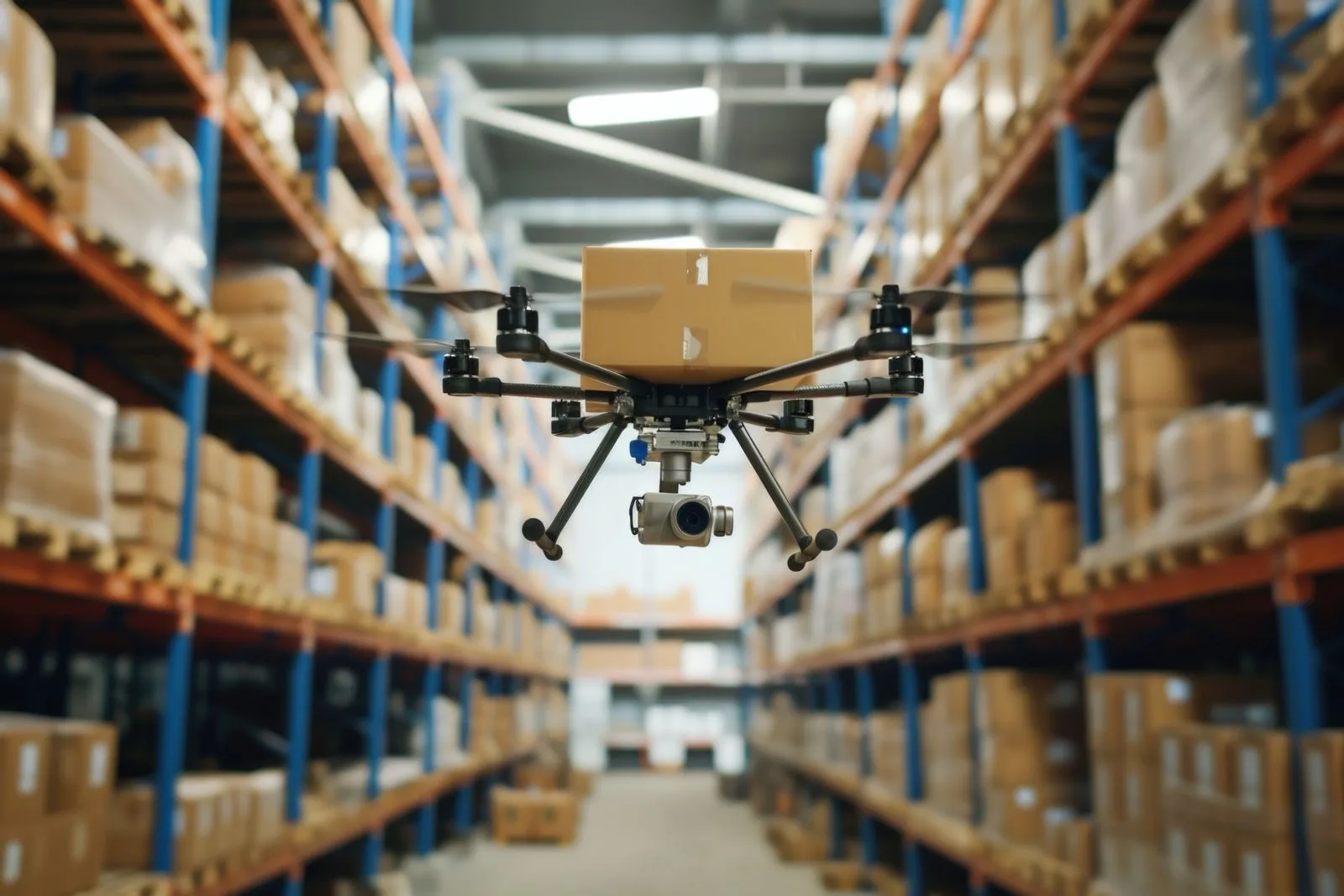
Walk into a modern warehouse today, and you might feel like you’ve stepped into a sci-fi movie. Robots glide across the floor, shelves shift on command, and systems talk to each other in real-time. But even with all this fancy automation and cutting-edge software, none of it works without one key thing: power. And not just any power—reliable, consistent power. That’s why dependable battery systems are at the core of smart warehouse logistics. For example, industrial batteries for forklifts by Deka are used in many facilities to keep things running without a hitch. Without them, those sleek machines? Just expensive statues.
So, let’s break down how warehouses are getting smarter and what that actually means for you.
The Rise of Smart Warehousing
Smart warehouses aren’t built overnight. It’s a process—a shift from manual, paper-based systems to fully connected, automated spaces. You’ve got sensors tracking every item, robots doing the heavy lifting, and software optimizing every move.
Tech like this doesn’t exist solely to look cool; rather it aims at solving real issues-inventory errors, slow fulfillment times and rising labor costs. Anyone familiar with logistics knows just how easily one mistake can quickly become an enormous headache. Smart warehouses aim to cut that risk way down.
And here’s the thing: the more automated a warehouse becomes, the more important it is for everything to work together smoothly. If one part fails, it can throw off the whole system.
Key Technologies Driving the Transformation
Okay, let’s talk about the actual tech making this happen.
First up—automation. That includes everything from robotic arms and conveyor belts, to AGVs (automated guided vehicles) which roam like floor-level drones. All of these machines take over physically demanding, repetitive tasks, which bog down human workers.
Internet of Things, or IoT, might sound complex, but it is actually very straightforward: think of it like giving your warehouse “eyes and ears”. Sensors placed throughout–on shelves, equipment and even aerially–collect real-time data which then feed into warehouse management systems (WMSs), helping make quick decisions regarding inventory placement, replenishment or routing shipments more quickly and accurately.
All this translates to faster delivery, fewer mistakes, and smoother operations. But it also means there’s no room for power issues. If a sensor goes offline or a robot doesn’t charge properly, it can throw off the entire flow.
The Importance of Equipment Readiness and Power Management
This is where things get real.
Imagine you’ve got a busy day. Orders are piling up. Your team’s ready. And then? The forklifts stop. Maybe the batteries weren’t charged properly. Maybe one of them just gave out. Whatever the reason, now you’ve got downtime, and downtime equals lost money.
You probably already know how frustrating that is. That’s why equipment readiness is such a big deal in smart warehouses. Not having machines ready when they’re needed can be just as problematic.
Power management may not be glamorous, but it is absolutely crucial when it comes to warehouse tech. Without regular battery health checks and efficient charging methods in place, even your most advanced setup won’t provide much benefit; failure of one component could cascade across your whole system and lead to its collapse.
Enhancing Efficiency Through Energy Innovation
Let’s talk about where things are heading now.
Energy innovation involves more than simply upgrading to more energy-efficient batteries. It’s about how you manage power overall. For example, some systems now use remote monitoring to check battery health in real-time. Others have automated charging stations that give just the right amount of juice, no more, no less, to avoid overcharging.
You’ve also got predictive maintenance tools using AI to figure out when a battery might fail, even before it shows signs. That way, you can replace it early, not after it dies on you in the middle of a shift.
And yes, sustainability is a big part of this too. Warehouses are looking for ways to reduce waste and use power more efficiently. Being smart isn’t just about tech—it’s about making smarter decisions that benefit your business long term.
Conclusion
Smart warehouses aren’t just about robots and data. They’re about creating systems that work better, faster, and with fewer surprises. And while automation gets most of the attention, the backbone of it all is something way more basic: power. Without steady energy, none of those systems work. Investing in reliable power solutions isn’t just about avoiding downtime. It’s about making sure your entire operation stays one step ahead, no matter what changes come next.
also read: How to Design Effective Print Materials on a Budget