
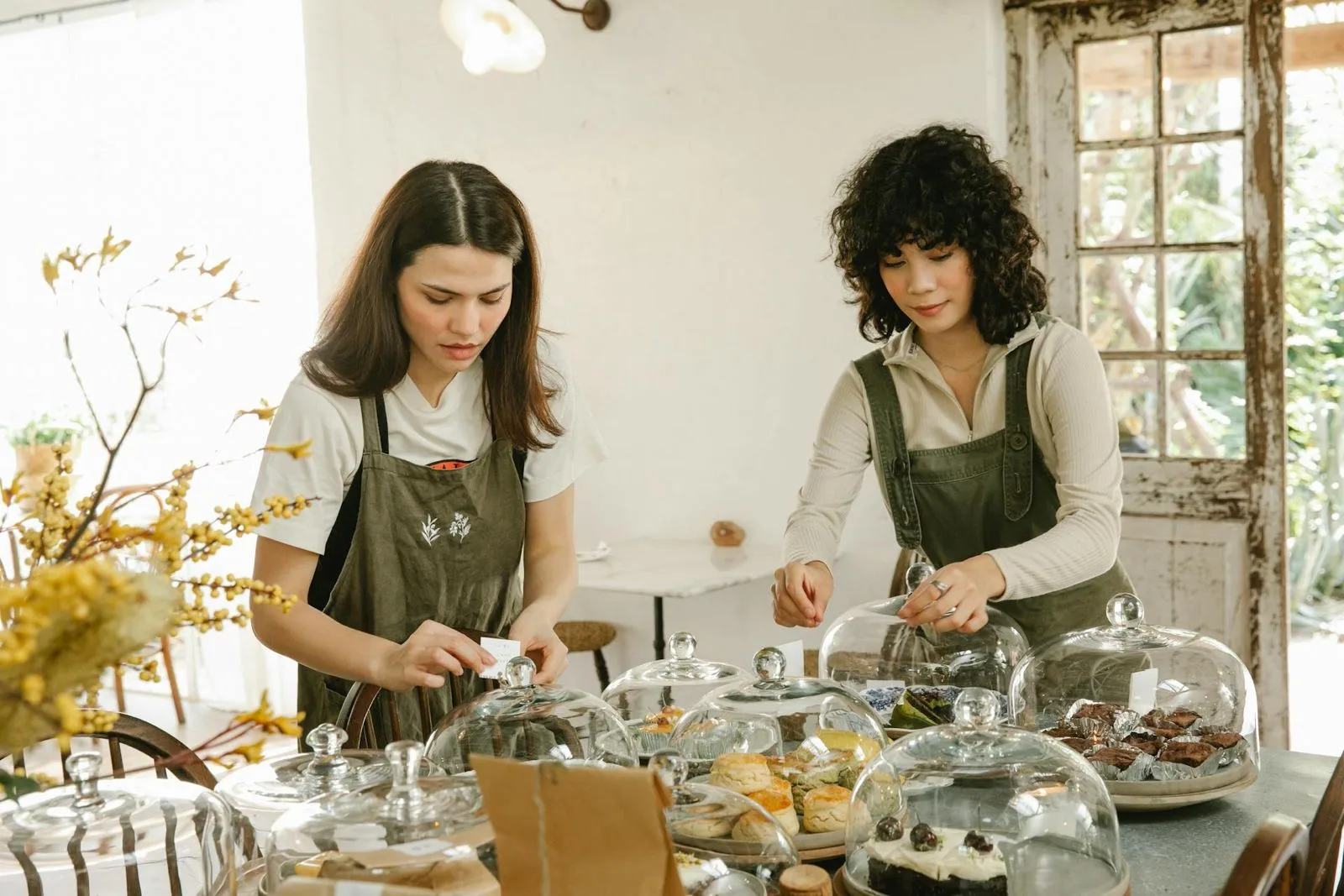
You’ve spent hours perfecting your recipes. Your kitchen smells like fresh cinnamon rolls and buttery croissants. The counters are clean. The team is ready. But then, someone walks out with their order in a wrinkled, flimsy box. And just like that, a beautiful moment loses its spark.
It’s not just about how your food tastes. It’s how it looks when it leaves your hands that matters. Most food business owners overlook this part. But here’s the truth: your presentation can make or break your reputation. And yes, even small things like disposable catering supplies can affect how first-time customers see your brand.
If you’ve ever felt like your food deserves more love than it gets, maybe it’s time to look beyond the menu.
Why Presentation Impacts Sales
People eat with their eyes first. It’s a phrase you’ve probably heard a million times—and it’s true.
Imagine a customer scrolling through reviews. They stop at a photo. A slice of chocolate cake, maybe. It looks moist, rich, and perfectly plated. That’s what brings them in.
But if your food shows up squashed in a container that’s too small or too bland? Well, that moment is gone. Presentation builds trust. It makes people want to try, share, and come back.
It’s not about being fancy. It’s about being thoughtful.
In-Store Product Display Tips
Let’s say you run a small café or a deli. You’ve got sandwiches, pastries, and drinks all lined up. But where you place them matters more than you think.
The eye naturally goes from left to right. Put your best sellers or highest-margin items on the right side of your display case.
Keep your counters tidy. Change the display now and then—people notice.
Don’t forget your branding. A handwritten tag. A branded sticker. Little touches like that add charm. They make the customer feel like they’re part of something special.
Lighting helps, too. Bright, warm lights make your products look fresher and more appealing. Nobody wants a cookie that looks like it’s been sitting out all day.
Presentation for Takeaway and Delivery
Now let’s talk about delivery. It’s become a lifeline for many food businesses. But it’s also where presentation often falls apart.
Ever opened a delivery and found your salad exploded in the bag? Yeah. That’s what you want to avoid.
Always test your packaging. Pack a meal. Toss it around a bit like it’s going for a ride on a motorbike. Then open it. How does it look?
Choose containers that are sturdy but not wasteful. Make sure sauces don’t leak. Make sure hot food stays hot. And maybe throw in a thank-you note, even if it’s printed. That human touch still matters.
Don’t underestimate the value of a good bag, either. The outside is the first thing the customer sees. Keep it neat, consistent, and easy to carry.
Aligning Packaging With Brand Identity
Your packaging is part of your voice. If your brand is rustic and cozy, your packaging shouldn’t look like it belongs in a tech startup. And if you’re all about fresh, modern eats, then your packaging should say that, without words.
Use your brand’s colors, fonts, and design style across everything. Boxes, stickers, labels—make it all feel like “you.”
It doesn’t have to be expensive. You can find creative ways to customize even the most basic containers. A simple stamp with your logo. A label with a fun quote. Something that says, “Hey, we care.”
Because when customers feel that, they remember. And they talk about it.
Embracing Functionality and Sustainability
Let’s be honest—there’s no point in having beautiful packaging if it doesn’t work.
A leaking container, a broken lid, or a bag that rips halfway to the car? That’s not just annoying—it’s bad for business.
So yes, it needs to look good. But it also has to do its job. Strong materials. Easy-to-use. Stackable. Lightweight. Bonus points if it’s eco-friendly.
Customers increasingly care about sustainability issues when making purchasing decisions; they want to feel good about not only taste-related purchases but ethical decisions too.
Just start recycling more, no matter your current level. Just switching to recyclable materials or reducing plastic can set you apart. People notice. Especially the ones who want to support businesses that align with their values.
Conclusion
Every part of your customer’s experience matters—from the way your food looks behind glass to how it shows up on their doorstep. You don’t need to spend a fortune to get it right. You just need to be intentional. Think about how your packaging feels in someone’s hands. How does the experience continue after they leave your store? Sometimes, improving your bakery packaging is all it takes to make that final impression stick.
also read: Why Women Turning to Entrepreneurship