
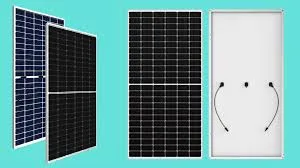
As renewable energy adoption accelerates worldwide, solar technology continues to evolve. From residential rooftops to utility-scale farms, photovoltaic (PV) panels are at the center of this transformation. But not all panels are built the same. One of the most significant developments in recent years is the rise of double-sided solar panels, also called bifacial panels. These differ in design, efficiency, and performance compared to traditional single-sided modules.
Understanding the difference between the two can help businesses, policymakers, and homeowners make smarter decisions about their energy investments.
What Are Single-Sided Solar Panels?
Single-sided panels are the traditional modules most people recognize. They are composed of photovoltaic cells arranged on one side, covered with protective glass and an opaque backsheet. These panels absorb direct sunlight from the front only, converting it into electricity.
They are reliable, cost-effective, and widely used in both residential and commercial projects. Thanks to decades of deployment, they benefit from a mature supply chain and decreasing production costs.
Key Features of Single-Sided Panels:
- Proven, well-established technology
- Lower upfront cost compared to advanced alternatives
- Efficiency rates are typically between 15% and 20%
- Suitable for rooftops, small installations, and budget-conscious projects
What Are Double-Sided Solar Panels?
Double-sided, or bifacial, panels capture sunlight on both sides of the module. The front absorbs direct solar radiation, while the back collects reflected sunlight, also known as albedo light. Transparent materials such as tempered glass protect both surfaces, allowing sunlight to reach the solar cells from multiple angles.
This dual capture method increases total energy generation. Depending on the installation site, bifacial modules can boost efficiency by 10%–30% compared to single-sided designs.
Key Features of Double-Sided Panels:
- Energy capture from both front and rear surfaces
- Frameless designs reduce dust buildup and mechanical stress
- Higher efficiency, particularly in reflective environments (snow, sand, water, or white rooftops)
- Longer lifespan due to stronger glass-on-glass construction
Cost Considerations
One of the biggest distinctions between the two technologies is cost. Single-sided panels are less expensive initially, making them appealing for budget-conscious households and small businesses. However, bifacial panels, though more expensive, often deliver better long-term returns because of higher energy yields and longer durability.
Investors and developers often evaluate projects using the levelized cost of electricity (LCOE). In many cases, the higher upfront investment in bifacial panels is offset by decades of improved production.
Applications in Different Environments
- Urban Areas: Single-sided panels remain practical for residential rooftops where reflective surfaces are limited.
- Open Landscapes: Double-sided panels perform exceptionally in deserts, snowy regions, and coastal areas where natural reflectivity is high.
- Utility-Scale Farms: Large projects benefit most from bifacial technology, especially when paired with solar trackers that optimize light capture throughout the day.
The Role of Solar Panels in Energy Independence
Whether single or double-sided, solar modules are central to reducing fossil fuel dependence. They contribute to distributed energy systems, lower electricity costs, and support national climate goals.
For large-scale solutions, modular systems like the solar panels provided by Solar Container Technologies make renewable projects scalable, flexible, and transportable. These innovations further enhance accessibility in both developed and emerging economies.
Double-Sided Panels and Solar Power Generation
The efficiency advantage of bifacial panels directly impacts solar power generation at both the household and grid levels. By producing more electricity per square meter, they optimize land use and reduce the overall infrastructure needed for a project.
In rural electrification projects, especially across Africa and Asia, such efficiency improvements mean more communities can gain access to reliable, affordable electricity faster.
Challenges and Limitations
Despite their advantages, double-sided panels come with challenges:
- Higher Installation Costs: Special mounting systems are often required to allow light to pass under the modules.
- Variable Performance: Gains depend on local conditions; grassy fields, for instance, reflect less light than sand or snow.
- Availability: While adoption is increasing, not all suppliers or markets have ready access to bifacial panels.
The Future of Solar Technology
The global solar industry is projected to expand rapidly in the next decade. As technology improves and costs decline, double-sided panels may become the new standard for large-scale projects. Meanwhile, single-sided panels will continue serving households and small businesses where simplicity and affordability matter most.
Future innovations, such as AI-powered solar trackers, advanced anti-reflective coatings, and integrated storage solutions, will further enhance the role of both technologies in achieving global clean energy goals.
To Conclude
The choice between single-sided and double-sided solar panels depends on budget, location, and long-term goals. Traditional panels remain cost-effective for smaller, less demanding applications. In contrast, bifacial panels provide higher efficiency and long-term value, especially in reflective or utility-scale environments.
As renewable technology matures, both types will continue to play essential roles in the energy transition, ensuring sustainable and reliable electricity production worldwide.
also read: The Role of AI in Fixing Inaccurate Business Listings