
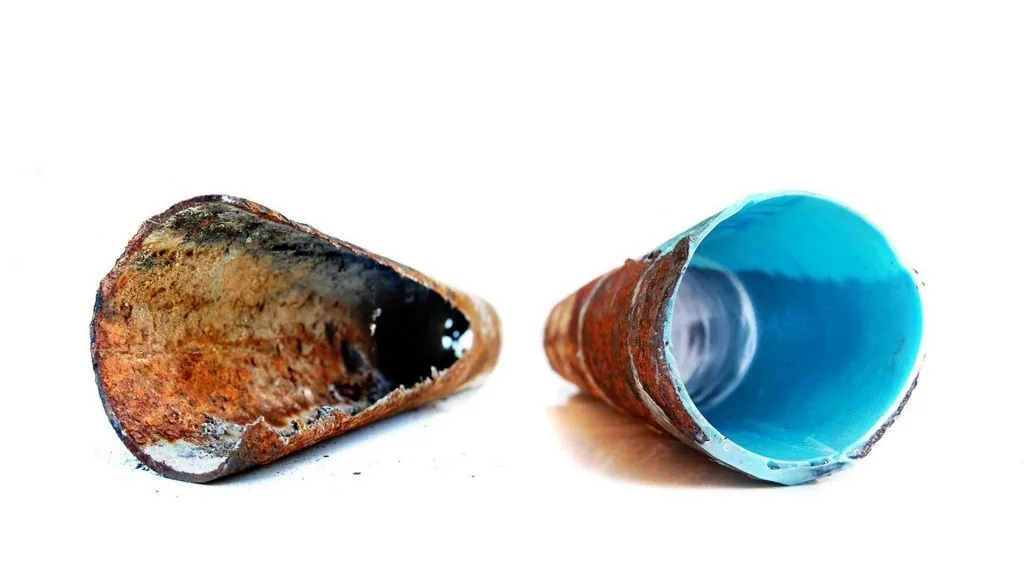
Dealing with damaged or broken pipes is one of the most feared aspects of plumbing repairs. Conventional pipe repair techniques can require a lot of excavation, destruction, and disturbance of your house or land. The inconvenience, the loudness, and the clutter can be too much to handle. But a cutting-edge method called pipe relining is revolutionizing the plumbing industry for both businesses and homeowners. Time, money, and worry can be reduced by repairing damaged pipes with pipe relining, which is quicker, cleaner, and less intrusive. The invention of pipe relining, its advantages, and the reasons it is quickly taking the lead in contemporary plumbing will all be covered in this article.
Comprehending Pipe Relining: A Contemporary Approach
Without excavating the existing pipes, damaged or broken pipes can be repaired from the inside using a trenchless pipe repair method called pipe relining. A flexible liner covered in a unique resin is inserted into the damaged pipe as part of the procedure. In order to create a new pipe inside the old one, the liner is first inflated and pressed against the pipe walls before being cured, or hardened. This technique restores the structural integrity of the pipe while successfully sealing leaks, holes, and cracks. The success of pipe relining is largely dependent on how minimally intrusive it is. Relining only needs a tiny access point, as opposed to standard repairs that involve excavating trenches or demolishing walls to reach subsurface pipes.
The Advantages of Pipe Relining
The significant decrease in mess and annoyance that comes with pipe relining is one of its main benefits. You may keep your walls, floors, and landscape intact because there is no need for substantial excavation. This lowers the overall time required to finish the repair, in addition to saving restoration costs. Furthermore, pipe relining is typically quicker than conventional techniques. Depending on the location of the pipes and the degree of damage, the excavation and repair process may take days or even weeks. If you decide to professionally reline a pipe, on the other hand, this process should be finished in a matter of hours, enabling your plumbing system to resume regular operations considerably more quickly.
The Versatility and Different Applications
Pipe relining is frequently utilized in commercial, municipal, and industrial contexts in addition to residential plumbing. Relining offers a solution that reduces interference with day-to-day operations, whether it’s drainage pipes beneath a commercial building or a sewer line beneath a busy city street. Clay, cast iron, concrete, and PVC are just a few of the pipe materials that the technology can handle because it is so adaptable. Because of its wide range of compatibility, relining is a popular technique for repairing deteriorating, ancient pipes that would otherwise be costly or difficult to replace.
The Sustainability and Environmental Effects of Pipe Relining
Beyond the ease and financial savings, pipe relining has unnoticed environmental advantages. Broken pipe segments, excavated soil, and restoration materials are among the many waste products produced by traditional pipe repairs. Relining, on the other hand, generates less waste because only the liner material is added and the existing pipes are left in place. Relining also lowers the need for new raw materials and the energy required to manufacture and transport new pipes by prolonging the life of existing pipes. This promotes sustainable building practices and lessens the carbon footprint associated with plumbing repairs.
Long-Term Value and Cost Considerations
Even though pipe relining could cost more up front than certain small, conventional repairs, it’s usually more cost-effective in the long run. Because less excavation is required, labor and restoration costs are decreased, which can be substantial when replacing typical pipes. Furthermore, fewer repairs will be necessary in the future due to the relined pipe’s endurance and resilience, which reduces downtime and continuing maintenance expenses. Property managers and insurance providers are becoming more aware of these advantages, and they occasionally provide incentives or preferred coverage for homes that use trenchless technology.
In the upcoming years, pipe relining is expected to become the norm for pipe repair as more professionals and property owners become aware of this technology. With the help of pipe relining, fixing pipes without creating a mess is now a feasible reality rather than just a pipe repair fantasy.
also read: Traffic Control Services Help Prevent Roadside Traffic Accidents