
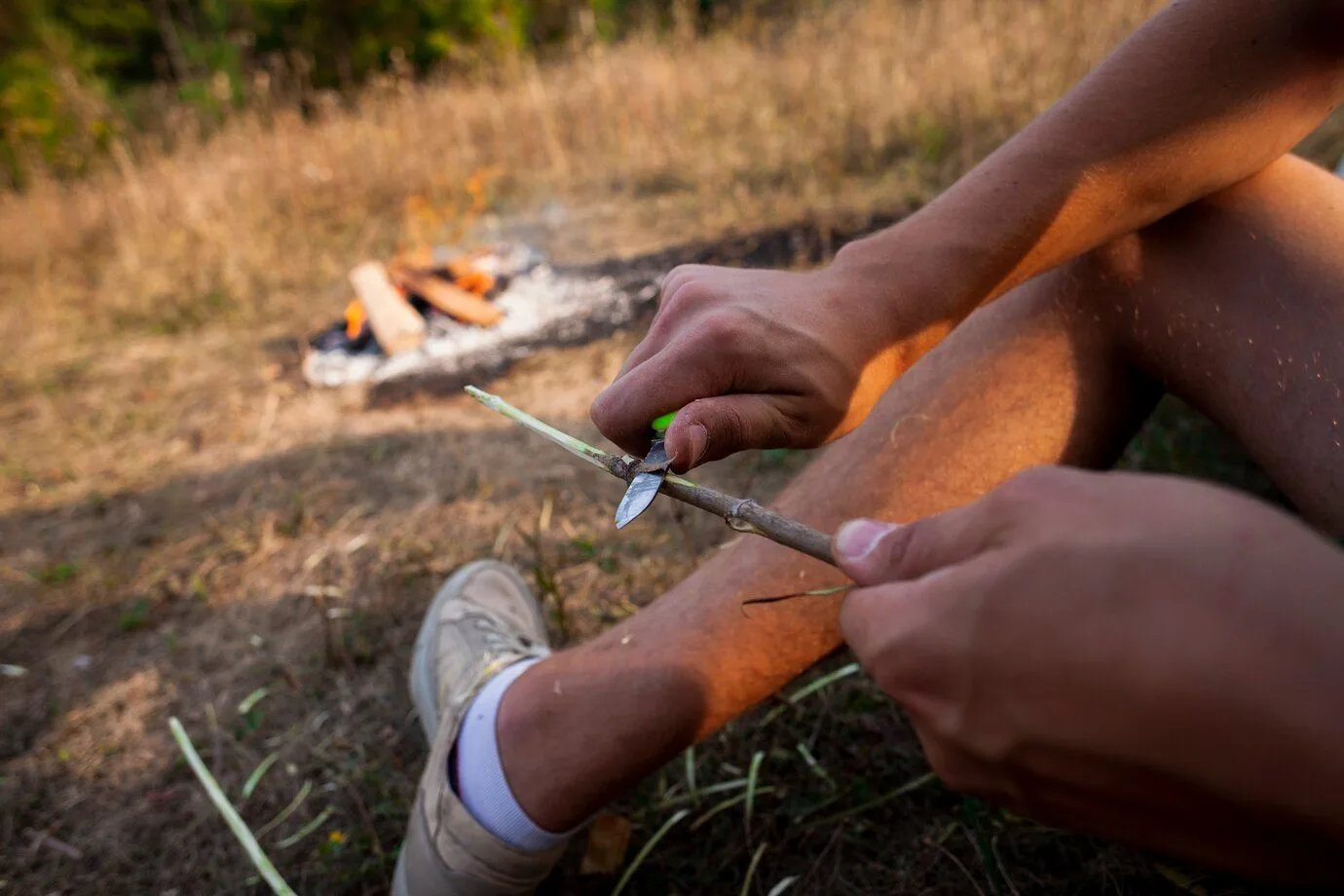
A survival knife is much more than just a sharp blade for outdoor enthusiasts; it’s a multipurpose instrument that may make the difference between a typical camping trip and an adventure that saves lives. A dependable survival knife combined with the appropriate abilities is a crucial component of every adventurer’s equipment, used for everything from cutting rope and preparing food to constructing shelters and repelling threats. Nevertheless, carrying a knife without knowing how to wield it properly is similar to carrying a map but being unable to read it. Learning how to use a survival knife is not only useful outdoors, where supplies are scarce and uncertainty is common, but it is essential.
Selecting the Appropriate Survival Knife
Understanding the knife itself is essential before becoming proficient with it. The wrong knife can cause more harm than good, and not all knives are made equal. The fixed blade, full tang (where the blade’s metal extends through the handle), and sturdy, high-carbon or stainless steel construction are characteristics of a good survival knife. Typically, the blade length falls between 4 and 6 inches, making it both large enough to baton wood and small enough for precise work. Additionally important are characteristics like a comfortable grip, a variable blade form, and a sharp spine for lighting a fire with a ferro rod.
Essential Safety for Knives
When using a survival knife, safety is crucial, especially in isolated areas with limited access to medical assistance. Beginners frequently undervalue the significance of basic knife safety, which can result in avoidable harm. Maintaining a firm grip with your practical OTF knives, for instance, as well as cutting away from your body at all times and keeping your knife sharp, are all essential safety precautions. Dull blades are more hazardous since they need more energy and are more likely to slip. A strong sheath keeps the blade contained when not in use; therefore, proper storage is also essential.
Crucial Knife Skills
Every outdoor enthusiast should learn a range of survival knife methods. The feathering technique, which is used to make fine wood shavings for fire starting, is among the simplest and most adaptable. Another crucial ability is batoning, which is striking the knife’s spine with a stick to split wood. Using this method, firewood can be processed without an axe. While methods for preparing food, such as gutting fish or skinning game, are essential in long-term survival situations, carving notches in wood can aid in the construction of traps or safe havens.
Wild Knife Maintenance
A knife that is properly cared for can last a lifetime, but if it is neglected, particularly in unfavorable circumstances, it may become unusable. Knives are subjected to wear, sap, moisture, and filth in outdoor settings, all of which can dull or corrode the blade. After every usage, wipe your knife down with a cloth and make sure it’s completely dry before sheathing it to preserve its functionality. Your practice should also include honing and sharpening; keeping a portable field sharpener or sharpening stone with you will guarantee that your blade stays sharp.
Putting Skills to Use in Real-World Situations
While reading about knife skills might be beneficial, nothing can replace practical practice. You can test your knowledge, improve your technique, and develop muscle memory by practicing in a secure outdoor environment. Before moving on to more difficult survival activities like building a debris shelter or making basic traps, start with easy activities like cutting feather sticks or batoning tiny logs. Attending guided trips, survival training classes, or bushcraft workshops can also provide insightful guidance and criticism. Above all, regular practice in a variety of settings, from moist woods to deserts, prepares you for the various difficulties that nature may bring. You will be more competent in real-world scenarios if you get more comfortable using your knife.
The simplicity and dependability of a well-used knife remain vital in a world where technology frequently fails in the face of nature’s unadulterated might. Adventurers who put in the effort to develop and hone these abilities give themselves a lifeline rather than merely a tool. Therefore, make sure your survival knife is not only prepared but also practiced before venturing into the wild the next time.
READ MORE : Building Financial Independence