
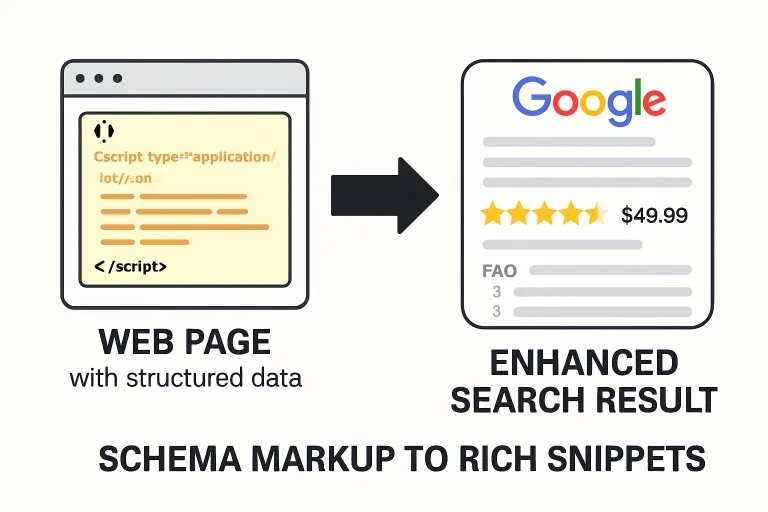
Key Takeaways
- Implementing schema and structured data boosts search visibility and user engagement.
- Correct markup enables eligibility for rich snippets, improving CTR by as much as 30%.
- Regular audits prevent errors, ensuring search engines accurately understand and display your content.
- Staying updated with search engine guidelines is essential for ongoing SEO success.
Why Structured Data Matters for SEO Success
Structured data has become vital for gaining a competitive edge in organic search. Search engines, especially Google, rely on structured data to interpret content, which helps them display results in visually enhanced ways. This clarifies your page’s intent and allows your listings to stand out with features such as review stars, event details, or recipe steps. For businesses seeking comprehensive optimization strategies, leveraging on page seo services can accelerate the application of schema markup to maximize visibility and engagement.
Enhanced listings, known as rich snippets, make your pages more appealing in crowded SERPs. They directly present users with the specific information they’re seeking—like product prices or review ratings—in search results, increasing your opportunities for higher click-through rates and better user acquisition. Making your website’s content easily digestible for algorithms is critical for SEO outcomes.
Defining Key Concepts: Schema, Structured Data, and Rich Snippets
- Schema: The structured vocabulary standard (schema.org) used to systematically label elements of your content, providing context for search engines.
- Structured Data: The actual implementation, often written in JSON-LD or Microdata, marks up individual entities and attributes of a webpage.
- Rich Snippets: Enhanced search result displays (such as images, ratings, or FAQs) that appear when structured data is validated and indexed.
These elements work in tandem. Schema supplies the roadmap, structured data provides detailed directions, and rich snippets are the reward—a bold presence in SERPs that encourages users to click.
While schema and structured data can seem technical, their fundamental purpose is to help content become discoverable and meaningful in search ecosystems. This clarity benefits not just search engines, but also real users who value highly relevant results.
Popular Types of Schema Markup for Website Owners
Website owners can choose from various schema types suited to their content. The most impactful forms include:
- Articles – For blogs, news, and informational content
- Products – For ecommerce listings detailing price, availability, and reviews
- Events – For webinars, conferences, or in-person events
- Recipes – For culinary blogs and how-to cooking sites
- Local Business – For companies with physical locations or service areas
- FAQ and How-to – For actionable, stepwise, or question-focused content
Implementing the right schema markup unlocks eligibility for corresponding rich result features. For example, product schema can display star ratings and prices, while FAQ schema can showcase expandable questions. According to industry research published by Search Engine Journal, sites can see a 20-30% increase in organic CTR simply by optimizing their pages with the appropriate structured data.
How Search Engines Use Structured Data
Once structured data is in place, search engines can display page elements directly in search results. For instance, ecommerce websites that add product schema markup often see their listings accompanied by pricing, review ratings, and availability, all of which serve as powerful purchase triggers. Similarly, marking up events enables search engines to highlight event dates, ticket availability, and venue details, efficiently connecting information-hungry users with your offerings.
Search engines’ ability to pull this context directly from your page reduces user friction. Instead of scanning multiple listings, searchers can immediately find what they need, making your results more clickable and valuable.
Steps to Implementing Schema Markup on Your Website
- Identify key content types on your website, such as articles, products, events, or services.
- Select the most suitable schema type for each content area using resources.
- Choose your coding format—JSON-LD is widely supported, but Microdata is also used.
- Embed the structured data into the relevant web pages, ensuring accuracy and completeness.
- Test your pages with tools to confirm eligibility for rich snippets.
Testing and validation at each stage are critical. An error in your markup might make your content ineligible for enhanced listings, reducing your potential gains from structured data implementation.
Common Mistakes and Solutions with Schema Implementation
- Using incorrect or incomplete markup can prevent pages from appearing as intended in search results.
- Mismatching schema types with actual page content results in search engine errors and reduced trust.
- Allowing schema code to become outdated or conflicting with other site code can lead to search confusion.
The solution is a disciplined approach: audit structured data regularly, stay updated with schema changes, and correct mismatches promptly. Tools like Google Search Console help monitor markup issues and alert you to actionable improvements.
Keeping Up with Evolving Search Features
Search engine algorithms and requirements are not static. Businesses must adapt as Google and other providers roll out new features or adjust the display of rich snippets. For example, periodic changes in how reviews or events appear in SERPs can impact visibility, so staying informed is critical. Regularly reviewing updates from authoritative sources ensures you remain ahead of new requirements and opportunities.
Active participation in SEO communities and following official channels can alert you to shifting guidelines, helping to refine your site’s structured data and maintain eligibility for rich result features.
Real-World Takeaways: The Value of Investing in Advanced On-Page SEO
Implementing schema and structured data is more than a technical checkbox—it’s a direct investment in site visibility, user engagement, and brand credibility. Websites with rich snippets enjoy higher click-through rates, improved user retention, and a measurable advantage in today’s competitive digital landscape. For organizations looking to amplify their ROI, structured data is a clear path to better metrics and long-term SEO success.