
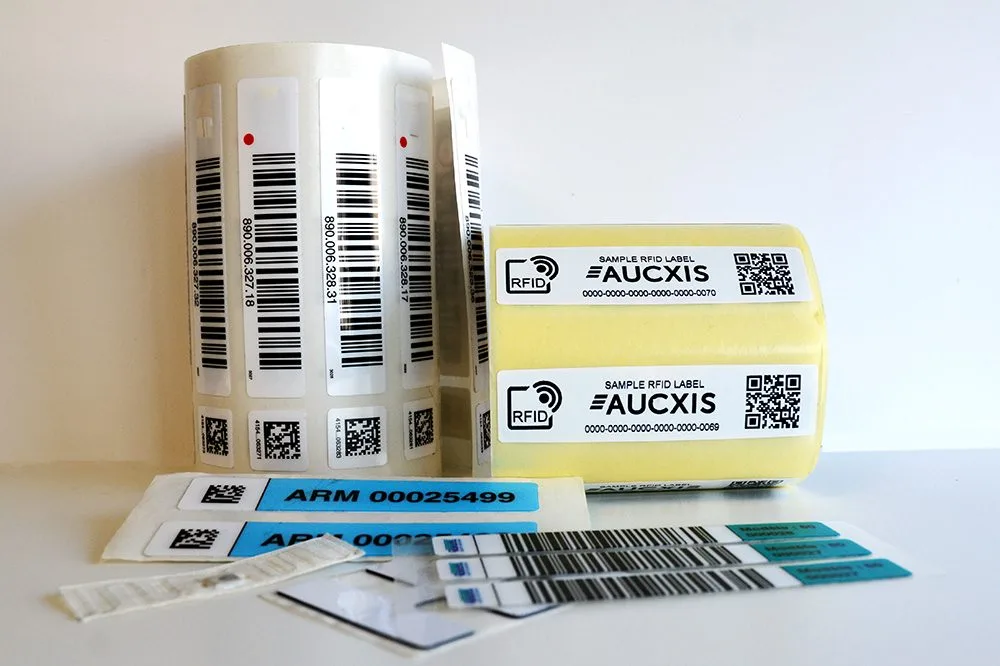
Effective asset management is more critical than ever in today’s fast-paced and technology-driven world. Businesses of all sizes require efficient, accurate, and reliable methods for tracking and managing their assets. One of the most innovative solutions in recent years is using RFID labels for asset management. Radio Frequency Identification (RFID) technology has revolutionized how companies monitor, control, and optimize the use of their physical assets. This blog post will explore the benefits of using RFID labels for asset management and how this technology can streamline operations, reduce costs, and improve overall business performance.
Using RFID Label to Improve Asset Tracking Efficiency
One of the primary benefits of using RFID labels for asset management is the significant boost in efficiency. Traditional methods of asset tracking, such as manual logging or barcode scanning, require time-consuming processes and often result in human errors. With RFID technology, assets can be tracked automatically without requiring direct line-of-sight or manual intervention.
RFID labels allow businesses to scan and track multiple items simultaneously in real-time, significantly reducing the time spent on asset management tasks. RFID readers can instantly capture data from a large batch of tagged assets, enabling businesses to identify, locate, and update asset information with minimal effort. This efficiency translates to significant time savings, particularly in industries with high asset turnover, such as warehouses, healthcare facilities, or manufacturing plants.
Improve Accuracy and Reduce Errors with RFID label
RFID labels can significantly improve the accuracy of asset management processes. Human errors are inevitable in manual systems—whether through misreading barcodes or incorrectly logging information. These errors can lead to discrepancies in asset records, lost items, or incorrect inventory counts.
RFID technology mitigates these issues by automating the process. RFID labels do not require direct line-of-sight scanning, eliminating the risk of misreads or missed scans. The data is accurately captured as long as the RFID tag is within the reader’s range. Furthermore, RFID systems typically come with built-in error-checking mechanisms, ensuring that data is transmitted correctly. Reducing errors helps businesses maintain accurate asset records and improves operational efficiency.
Real-Time Asset Location Tracking
Knowing the exact location of your assets in real time is invaluable for optimizing operations and preventing loss or theft. With the RFID label, businesses can track the movement and location of assets at any given moment, enhancing visibility throughout the asset lifecycle. Whether assets are moved between departments, stored in different places, or transported across different sites, RFID technology offers complete transparency.
By using RFID labels, businesses can set up a network of RFID readers to monitor asset movements automatically. This means that at any point in time, companies can quickly determine where their assets are, how long they’ve been in a particular location, and whether they’re being utilized effectively. Real-time location tracking helps to reduce asset misplacement, improve workflow management, and ultimately enhance productivity.
READ MORE : Why Social Media Clearance with ID is Necessary?
Enhanced Security and Loss Prevention
Businesses prioritize the security of physical assets, and RFID labels play a critical role in improving asset security. One of the key advantages of RFID over traditional tracking methods is its ability to provide secure, tamper-proof monitoring of assets. Since RFID tags are often equipped with encryption technology, they can track and secure high-value items, sensitive equipment, or inventory.
Moreover, many RFID systems can be integrated with access control systems and alarms to trigger alerts when unauthorized movements occur. For instance, if an asset tagged with an RFID label leaves a designated area without proper authorization, the system will alert the security personnel in real time. This level of monitoring helps prevent theft, loss, and unauthorized use of company assets, providing businesses with enhanced security and peace of mind.
Streamlined Inventory Management
Inventory management can be complex and time-consuming, especially for companies with large assets. RFID labels simplify and streamline this process, allowing businesses to conduct automatic, real-time inventory checks. Instead of manually counting or scanning barcodes, RFID systems can quickly scan an entire inventory in minutes, providing up-to-date information on asset quantities and locations.
RFID technology also helps with inventory accuracy by ensuring that items are consistently tracked. This reduces the chances of stockouts, overstocking, or inventory discrepancies. By automating the inventory process, businesses can save time and resources while maintaining optimal stock levels. Furthermore, RFID labels can help with auditing, making accurate and thorough asset audits easier without disrupting day-to-day operations.
Cost Savings Over Time
While the initial investment in RFID labels and readers may seem high, the long-term cost savings are significant. The improved efficiency, accuracy, and security of RFID-based asset management systems can reduce operational costs in various ways. For instance, businesses can reduce labor costs by automating manual tracking processes and minimizing the cost of lost or stolen assets due to better monitoring and security features.
In addition, RFID systems help businesses optimize asset utilization, reducing the need for unnecessary purchases or replacements. Companies can improve their return on investment (ROI) and lower overall operational expenses by ensuring that assets are used effectively and tracked consistently. Over time, the cumulative savings from enhanced asset management can justify the initial setup costs for RFID labels.
Better Compliance and Reporting
RFID labels can make the process significantly easier in industries that require regulatory compliance or detailed reporting. Many businesses, especially those in healthcare, pharmaceuticals, and manufacturing, must track assets for compliance, ensuring they meet safety standards, regulatory guidelines, and industry requirements. RFID systems provide a reliable and efficient way to capture asset data for audit and reporting purposes.
With RFID technology, businesses can automatically collect and store asset information, including maintenance history, usage data, and location logs. This real-time data makes it easier to comply with industry regulations, as companies can quickly access the information needed for audits or regulatory checks. RFID labels also help businesses maintain better control over their assets, ensuring that they meet compliance standards and reducing the risk of penalties.
Scalability and Flexibility
One of the significant advantages of RFID labels is their scalability and flexibility. Whether a small business or a large enterprise, RFID systems can be adapted to suit your asset management needs. As companies grow, their asset management requirements evolve, and RFID technology can quickly scale to accommodate an increasing number of assets or new tracking locations.
RFID labels are also flexible in terms of integration with existing systems. Businesses can integrate RFID technology with their enterprise resource planning (ERP) systems, warehouse management systems (WMS), or other software solutions to create a comprehensive, streamlined asset management system. This flexibility ensures businesses can continue benefiting from RFID technology as their needs change and expand without requiring extensive system overhauls.
Realize the Full Potential of RFID Labels in Asset Management
RFID labels for asset management offer numerous benefits that can significantly enhance asset tracking processes’ efficiency, accuracy, and security. From real-time location tracking and streamlined inventory management to improved security and cost savings, RFID technology provides businesses with a comprehensive solution to manage their assets more effectively. As companies continue to seek ways to optimize their operations, RFID labels are becoming an essential tool for businesses looking to gain a competitive edge in the marketplace.