
Key Takeaways:
- Espadrilles are a versatile, eco-friendly footwear choice.
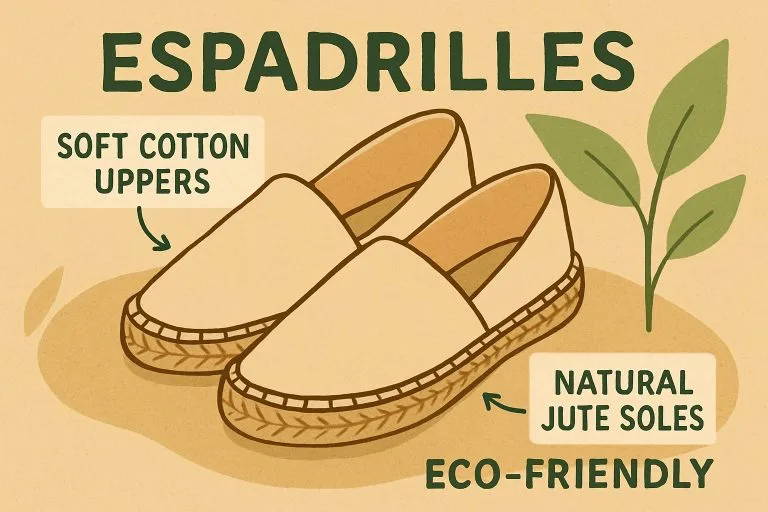
- Made from natural materials like jute and organic cotton.
- Handcrafted production supports artisans and ensures quality.
- Works with casual and dressy outfits, promoting a minimalist wardrobe.
- Look for responsible materials, fair production, and certifications.
- Choosing sustainable espadrilles combines style with environmental responsibility.
The Rise of Sustainable Fashion
Today’s fashion landscape is changing rapidly as more and more shoppers seek out environmentally responsible styles. The push for sustainability now influences every corner of the industry, fueling a move towards eco-friendly practices and products. This trend has successfully revived timeless wardrobe staples, and none capture the spirit of the movement quite like espadrilles. Beloved for their classic look, these lightweight summer shoes are fast becoming an essential for anyone aiming to dress sustainably. For those looking to embrace ethical wardrobe choices, women’s espadrilles now offer a blend of sustainability and style that stands out from the crowd.
Unlike fleeting fashion fads, sustainable espadrilles represent a meaningful shift in how we think about clothing. Their widespread appeal proves that consumers are prepared to prioritize products created with purpose—shoes that protect the planet while elevating everyday outfits. The eco-friendly movement has also prompted manufacturers to return to time-honored materials and craft techniques, ensuring each pair is as mindful as stylish.
What Makes Espadrilles Eco-Friendly?
The sustainable credentials of espadrilles are rooted in the core materials used in their production. Traditionally, espadrilles feature natural jute soles and soft organic cotton uppers. These materials are biodegradable, so discarded espadrilles break down naturally instead of lingering in landfills for decades. Jute is notably water-efficient and requires little to no pesticide use, lowering the environmental footprint of each shoe even further.
The simple, durable construction of espadrilles also reduces the need for glues or synthetic reinforcements, keeping harmful chemicals out of manufacturing. As a result, the environmental impact of espadrilles is much smaller than that of conventional synthetic footwear. According to industry analyses of sustainable footwear, natural shoes bring tangible benefits at the start and end of their lifecycle.
The Beauty of Biodegradable Materials
Naturally sourced materials like jute and cotton offer more than environmental positives—they’re lightweight, breathable, and exceptionally comfortable. These features make espadrilles particularly well-suited to warm weather, all while keeping your style footprint small.
Supporting Artisan Craftsmanship
Much of espadrille production remains highly artisanal, rather than mass-produced. Skilled craftspeople in regions such as Spain and France continue to hand-make espadrilles using methods passed down through generations. This approach upholds cultural heritage and ensures quality seldom found in factory-made shoes. Shoppers also help build stronger local economies and promote ethical labor standards by supporting these artisans.
The focus on handcrafted shoes means each pair is unique and carefully finished. For fair fashion advocates, this commitment to traditional skills and responsible production is as valuable as material sustainability—if not more so. According to coverage of sustainable fashion, consumer demand for transparency around craftsmanship and origin is at an all-time high.
Versatility Meets Sustainability
Espadrilles are loved not just for their eco-friendly features but also for their remarkable versatility. Their minimalist design transitions seamlessly from casual daywear to summer events, pairing easily with everything from jeans to linen dresses. This flexibility encourages a pared-back, minimalist wardrobe that prioritizes fewer items with greater longevity. Reducing the need to own multiple shoe styles directly supports the goals of sustainable fashion and mindful consumption.
The timeless silhouette of espadrilles also helps them remain relevant regardless of changing trends—making them a smart investment for both seasonal dressing and long-term wear.
Brands Leading the Eco-Friendly Espadrille Movement
Several notable brands are helping to popularize eco-conscious espadrilles by blending innovation with tradition. Many makers have introduced recycled canvas, organic dyes, and packaging made from post-consumer waste. Others focus on zero-waste production models and supply chain transparency, prioritizing sustainability from sourcing through delivery. These approaches inspire confidence in shoppers seeking products that align with their values.
Pioneers in Sustainable Footwear
Soludos and TOMS have become well-known for championing eco-friendly materials and ethical labor practices. Their efforts set the standard for other companies to follow and make it easier than ever for consumers to make planet-positive style choices.
Consumer Demand Driving Change
The increased appetite for sustainable shoes is shaping industry practices across the board. Recent reports show that 65% of global consumers prefer to buy from brands with clear environmental policies, and a significant portion are willing to pay a premium for sustainable footwear options. This public enthusiasm has encouraged brands—from boutique labels to household names—to rethink old models and embrace green alternatives.
How to Choose the Right Eco-Friendly Espadrilles
When shopping for espadrilles with a lighter footprint, it’s important to check the following:
- Materials: Look for shoes made from jute, organic cotton, or similar renewable fibers. Avoid any that rely on synthetic blends or plastic soles.
- Production Methods: Prefer shoes made by artisan collectives and companies that prioritize fair wages and safe working conditions.
- Certifications: Certifications such as Fair Trade, GOTS (Global Organic Textile Standard), or B Corp can reassure buyers that responsible practices are being followed throughout the production chain.
Final Thoughts
Espadrilles offer a rare blend of tradition, functionality, and environmental stewardship. Embracing them means prioritizing handmade quality and renewable materials, while crafting a versatile, effortless style. For those passionate about eco-friendly living, investing in a pair is a simple yet powerful act—and as sustainable fashion gains momentum, these classic shoes will remain a go-to choice for years to come.