
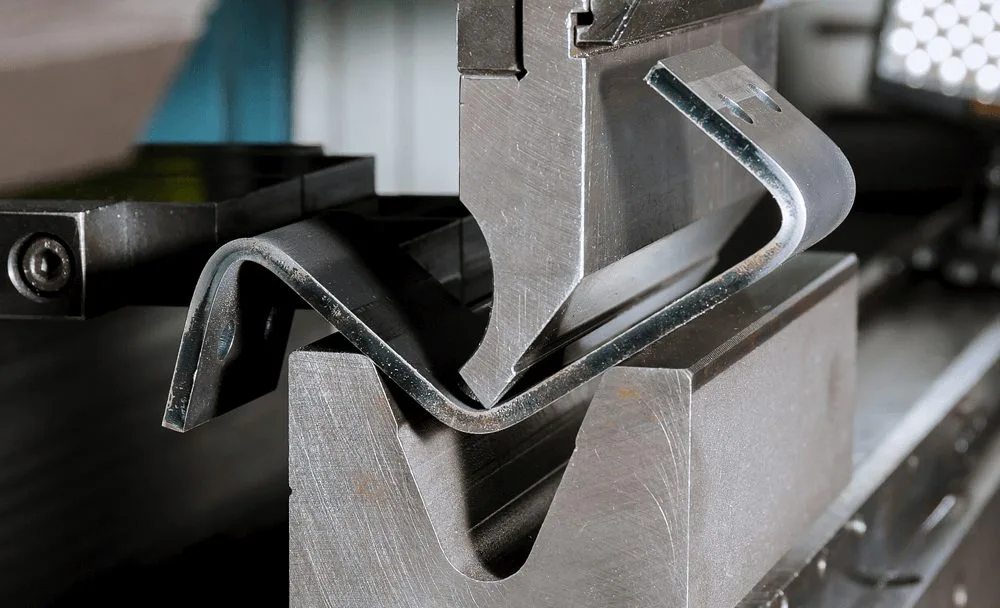
Working with metals is a craft that has been essential to human advancement for centuries. Whether you are a beginner or looking to expand your knowledge, understanding the basics of metalworking can open doors to creativity, innovation, and practical problem-solving. Below, we explore the essentials to get you started.
Types of Metals
One of the first things to learn when working with metals is the variety of materials available. Each metal has unique properties that make it suitable for different projects. Here’s a quick overview of the most commonly used metals:
- Ferrous Metals: These metals contain iron and are known for their strength and durability. Types include steel, cast iron, and wrought iron. They are commonly used in construction and automotive industries.
- Non-Ferrous Metals: These do not contain iron, making them resistant to rust and corrosion. Examples include aluminum, copper, brass, and titanium. These metals are lightweight and are often used in aerospace, electronics, and decorative applications.
- Precious Metals: Gold, silver, and platinum fall into this category. They are valued for their rarity and conductivity and frequently used in jewelry and electronics.
Understanding the properties of these metals is crucial to choose the right material for your project.
Essential Tools and Techniques
When starting with metals, having the right tools is critical. Here are some essentials you’ll need:
Hand Tools
For beginners, hand tools can suffice in executing smaller tasks or details. Some fundamentals include:
- Hammers and Mallets: Used for shaping and bending metal.
- Files and Rasps: Ideal for smoothing rough edges or refining surfaces.
- Shears and Snips: Handy for cutting thin metal sheets.
Power Tools
For advanced projects, power tools speed up the process and handle tougher materials. Key ones include:
- Drills and Drill Presses: Useful for creating precise holes in metal.
- Grinding Machines: Help polish, sharpen, or cut through metal.
- Welding Equipment: Needed to join two or more pieces permanently.
Techniques
Mastering techniques like cutting, welding, and shaping is vital. For instance, cutting can be achieved through shearing, plasma cutting, or sawing, depending on the type of metal and required finish. Welding methods, like MIG welding or TIG welding, add versatility to your skillset, enabling you to join metals seamlessly. Precision sheet metal fabrication often requires a blend of these techniques to deliver high-quality outcomes.
Safety Measures for Metalworking
Metalworking involves heat, sharp edges, and heavy objects, so safety must be a top priority. Here are some guidelines to follow:
- Wear Safety Gear: Invest in gloves, goggles, and steel-toe boots. Safety glasses prevent sparks or metal fragments from injuring your eyes, while gloves protect hands from sharp edges.
- Proper Ventilation: Metalworking often releases fumes, especially during welding. Ensure your workspace is well-ventilated or use an exhaust system.
- Secure the Workspace: Keep tools organized and ensure workpieces are firmly clamped before cutting or welding.
- Practice Fire Precautions: Have a fire extinguisher nearby when working with heat-producing equipment.
Applications of Metalworking
Metalworking has a broad range of applications, extending across multiple industries and hobbies. Here are a few examples:
Industrial Applications
Industries such as construction, manufacturing, and transportation rely heavily on metalworking for creating parts, structures, and machines. For example, steel beams are fundamental in building frameworks, while aluminum alloys are preferred in aerospace construction.
Artistic Endeavors
Metalworking isn’t limited to utility—it’s an artistic outlet as well. Metal sculpting, decorative paneling, and jewelry-making allow for creativity while mastering technical skills.
DIY Projects
On a smaller scale, metalworking is great for home projects like creating custom furniture, repairing tools, or building garden fixtures. The skills you learn can save money and add a personal touch to your surroundings.
Conclusion
Working with metals is a rewarding yet challenging craft that combines skill, creativity, and technical knowledge. Start by familiarizing yourself with the various types of metals and their applications. Equip yourself with the right tools, from basic hammers and files to advanced welding equipment. Adopting essential techniques and observing strict safety measures will help ensure both your success and well-being.
Whether you’re crafting a piece of art, repairing an object, or working on an industrial project, metalworking offers endless possibilities. By committing to practice and continuous learning, you’ll develop a valuable skill set that can last a lifetime.
READ MORE : Why Color Patterns Matter in Prediction Games


