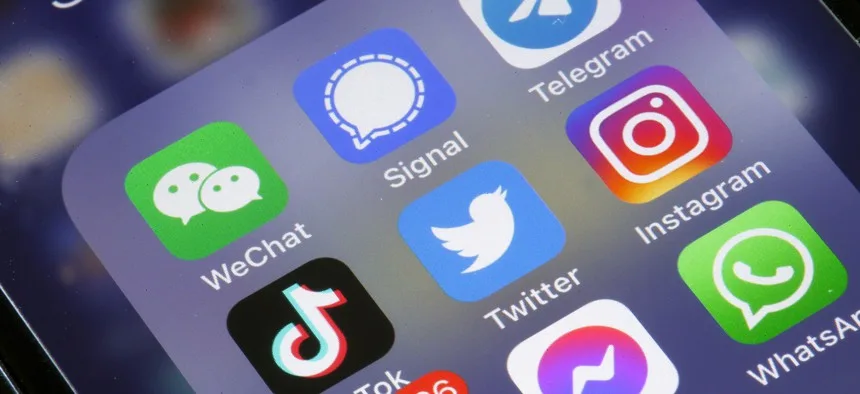
The advent of social media has revolutionized how people communicate, share ideas, and access information. However, alongside its benefits, social media has also brought challenges, such as cyberbullying, online scams, misinformation, and identity theft. In the Philippines, a country where social media penetration is among the highest in the world, these issues are particularly prevalent. To address these challenges, the concept of requiring social media clearance with valid identification (ID) has gained traction.
Here’s why social media clearance with ID is necessary in the Philippines:
1. Combating Cyberbullying and Online Harassment
The anonymity offered by social media platforms often emboldens individuals to engage in cyberbullying and online harassment. These acts have led to psychological trauma, depression, and, in some cases, suicide, particularly among vulnerable groups like teenagers. By linking social media accounts to verified IDs, perpetrators of cyberbullying can be more easily identified and held accountable, creating a safer online environment. When platforms request verified IDs, having an NBI clearance online provides a legitimate and accessible form of identification.
2. Reducing Fake News and Misinformation
Misinformation and fake news have become rampant on social media in the Philippines, influencing public opinion, elections, and even health-related behaviors. Unverified accounts are often the source of these harmful posts, spreading false information without repercussions. Requiring social media clearance with ID can help curb this problem by ensuring that only verified users are allowed to post, making it easier to trace and penalize those who disseminate false information.
3. Preventing Identity Theft and Fraud
Social media platforms are often exploited by scammers to steal personal information or impersonate others for financial gain. In the Philippines, incidents of phishing, online scams, and identity theft are rising. By mandating ID verification, social media platforms can reduce the creation of fake accounts and prevent scammers from operating anonymously.
4. Enhancing National Security
Terrorist groups and criminal organizations sometimes use social media to recruit members, plan activities, or spread propaganda. In the Philippines, where insurgencies and criminal networks are a concern, monitoring social media activities tied to verified identities can help authorities track and prevent illegal activities more effectively.
5. Ensuring Accountability for Online Content
The ease of creating fake accounts has led to the proliferation of hate speech, defamatory remarks, and other harmful content. Anonymity allows individuals to evade accountability for their posts. Linking social media accounts to IDs ensures that users are more mindful of the content they share, knowing that they can be held legally accountable for their actions.
6. Supporting Law Enforcement and Cybercrime Investigations
The Cybercrime Prevention Act of 2012 (RA 10175) already outlines penalties for offenses such as online libel, hacking, and cyberstalking. However, enforcing these laws can be challenging when perpetrators hide behind anonymous accounts. Requiring ID verification for social media accounts can aid law enforcement agencies in identifying offenders and solving cybercrime cases more efficiently.
7. Aligning with Global Trends
Countries like South Korea have implemented similar measures, requiring real-name registration for online platforms. This has been effective in reducing cyberbullying and fake news. The Philippines can adopt and adapt such practices to its unique socio-political and cultural context, ensuring a more responsible and secure online space.
You may also read: What Makes Lebanese Hospitality the Gold Standard of Dining